
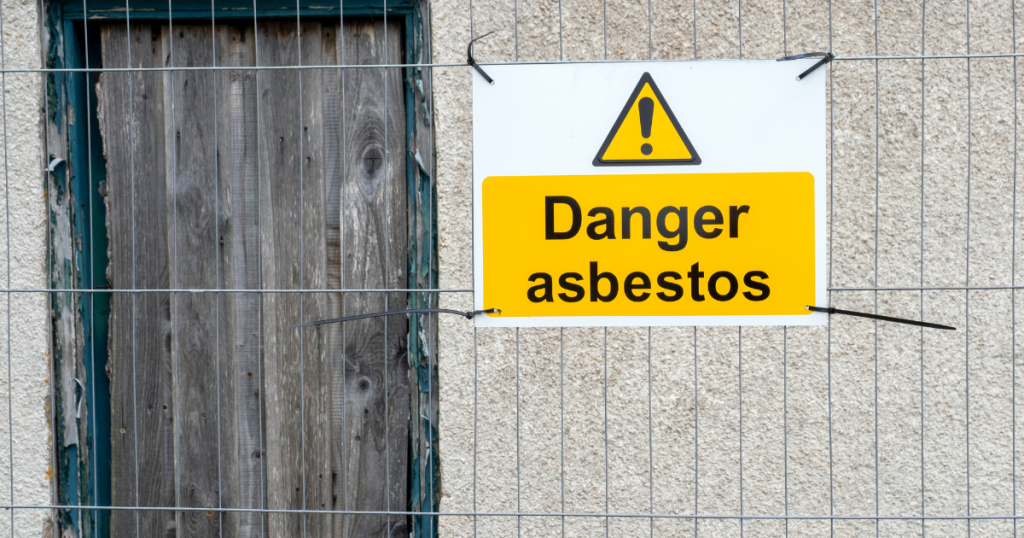
What Are the Main Asbestos Regulations in the UK?
The primary legislation governing asbestos management in Great Britain is the Control of Asbestos Regulations 2012 (CAR 2012). These regulations are designed to protect workers, building occupants and others from the risks associated with asbestos exposure.
Although asbestos has been banned in the UK since 1999, it remains present in many older buildings. As a result, asbestos regulations continue to play an important role in workplace health and safety.
The regulations place duties on employers, building owners, landlords, dutyholders and others who have responsibility for premises where asbestos-containing materials may be present.
Understanding these responsibilities helps organisations manage asbestos safely, reduce the risk of accidental exposure and remain compliant with legal requirements.
Why Asbestos Regulations Still Matter
Many people assume asbestos is no longer a concern because it was banned more than two decades ago. However, millions of tonnes of asbestos-containing materials remain within buildings throughout the UK.
Asbestos can still be found in schools, hospitals, offices, factories, warehouses, shops and residential properties built or refurbished before 2000.
When asbestos-containing materials remain in good condition and are properly managed, they may not present an immediate risk. Problems arise when materials are damaged, disturbed or deteriorate over time, potentially releasing asbestos fibres into the air.
For this reason, asbestos management remains an important legal and practical responsibility for many organisations.
The Control of Asbestos Regulations 2012
The Control of Asbestos Regulations 2012 brought together previous asbestos legislation into a single set of regulations.
The regulations cover a wide range of asbestos-related activities, including:
- Managing asbestos in non-domestic premises
- Preventing exposure to asbestos fibres
- Carrying out asbestos surveys where appropriate
- Working with asbestos-containing materials
- Licensing requirements for higher-risk work
- Training requirements
- Monitoring and control measures
The overall aim of the regulations is to prevent exposure to asbestos fibres and minimise the risks associated with asbestos-containing materials.
For employers and workers, the regulations provide the framework for understanding how asbestos risks should be managed in practice.
Regulation 4: The Duty to Manage Asbestos
One of the most important parts of the Control of Asbestos Regulations 2012 is Regulation 4, commonly known as the Duty to Manage Asbestos.
The duty applies to those responsible for the maintenance or repair of non-domestic premises. This may include:
- Building owners
- Landlords
- Managing agents
- Facilities managers
- Employers responsible for premises
The duty can also apply to the common areas of certain residential buildings, such as communal hallways, stairwells and plant rooms within blocks of flats.
Dutyholders are expected to take reasonable steps to:
- Determine whether asbestos-containing materials are present
- Assess the condition of any asbestos found
- Maintain an up-to-date asbestos register
- Assess the risk of exposure
- Develop and implement an asbestos management plan
- Provide information to anyone who may disturb asbestos
The purpose of the duty is not necessarily to remove asbestos. In many cases, asbestos-containing materials can remain safely in place if they are properly managed and monitored.
Regulation 10: Information, Instruction and Training
Regulation 10 of the Control of Asbestos Regulations covers asbestos training requirements.
The regulation requires employers to provide suitable information, instruction and training to employees who are liable to be exposed to asbestos or who supervise such employees.
The type of training required depends on the nature of the work being carried out and the level of risk involved.
For many workers, asbestos awareness training is the most appropriate form of training. Its purpose is to help individuals recognise potential asbestos-containing materials, understand the associated risks and know what actions to take if asbestos is suspected.
Importantly, asbestos awareness training does not qualify someone to work on asbestos-containing materials, remove asbestos or intentionally disturb asbestos.
Instead, it is designed to help workers avoid accidental exposure.
Who Needs Asbestos Awareness Training?
Asbestos awareness training is generally appropriate for workers whose activities could foreseeably disturb the fabric of a building where asbestos-containing materials may be present.
Examples include:
- Electricians
- Plumbers
- Joiners
- Carpenters
- Decorators
- Builders
- Roofers
- Heating and ventilation engineers
- Maintenance operatives
- Telecommunications engineers
- Fire and security installers
- Facilities management personnel
Supervisors and managers responsible for overseeing such work may also require asbestos awareness training.
The need for training should be determined through an assessment of the work being carried out and the potential for asbestos exposure.
Where workers may encounter asbestos during their normal duties, appropriate training forms an important part of managing workplace risk.
Employers’ Responsibilities for Asbestos
Employers have a legal duty to protect employees and others who may be affected by their work activities.
Where asbestos is concerned, this includes taking reasonable steps to prevent exposure and ensure workers understand the risks.
Employer responsibilities may include:
- Identifying potential asbestos risks
- Reviewing asbestos information before work begins
- Carrying out suitable risk assessments
- Providing appropriate training
- Implementing safe systems of work
- Providing information to contractors and employees
- Monitoring compliance with workplace procedures
Employers should ensure that workers have access to relevant asbestos information before maintenance, refurbishment or installation work is carried out.
Failure to identify asbestos risks before work begins can result in accidental disturbance and potential exposure.
Licensed, Non-Licensed and Notifiable Non-Licensed Work
Not all asbestos-related work is treated in the same way under UK regulations.
The level of control required depends on the type of asbestos-containing material involved and the likelihood of fibre release.
Broadly speaking, asbestos work falls into three categories:
Licensed Work
Higher-risk asbestos work generally requires a licence issued by the Health and Safety Executive (HSE).
Examples often include work involving:
- Pipe lagging
- Loose-fill insulation
- Certain insulation materials
- Significant asbestos removal projects
Non-Licensed Work
Some lower-risk activities involving asbestos-containing materials may not require an HSE licence.
However, appropriate controls, training and safe working procedures are still required.
Notifiable Non-Licensed Work (NNLW)
Certain activities fall between licensed and non-licensed work.
These activities may not require a licence but must still be notified to the relevant enforcing authority and are subject to additional requirements.
Determining the correct category of work is essential before any asbestos-related activity begins.
Asbestos Regulations for Landlords and Property Managers
Landlords and property managers may have responsibilities under asbestos legislation depending on the type of property involved.
For non-domestic premises and common parts of residential buildings, dutyholder responsibilities may apply.
Property managers should ensure that:
- Asbestos risks are assessed
- Relevant surveys are available where appropriate
- Asbestos registers are maintained
- Contractors receive relevant information before starting work
- Management plans remain current and effective
Good asbestos management helps protect contractors, maintenance workers, tenants and visitors.
Asbestos Regulations in Domestic Properties
Private homeowners do not generally have the same legal duties under Regulation 4 as those responsible for non-domestic premises.
However, asbestos can still be present within domestic properties.
Where employers send workers into domestic properties to carry out maintenance, installation or refurbishment work, those employers continue to have duties to protect their employees from asbestos exposure.
This means asbestos should still be considered when planning work in older homes where asbestos-containing materials may be present.
Tradespeople working in domestic properties can encounter many of the same asbestos risks found in commercial buildings.
What Happens If Asbestos Regulations Are Not Followed?
The Health and Safety Executive has powers to investigate breaches of asbestos legislation and take enforcement action where appropriate.
Depending on the circumstances, enforcement action may include:
- Improvement notices
- Prohibition notices
- Formal investigations
- Prosecution
- Financial penalties
The consequences of non-compliance can extend beyond legal action.
Accidental disturbance of asbestos can result in project delays, increased costs, reputational damage and potential risks to worker health.
For this reason, organisations should take a proactive approach to asbestos management and training.
Staying Compliant With Asbestos Awareness Training
Asbestos awareness training forms an important part of compliance for organisations whose employees may encounter asbestos during their work.
Training helps workers understand:
- What asbestos is
- Where it may be found
- The health risks associated with exposure
- How to avoid disturbing asbestos-containing materials
- What actions to take if asbestos is suspected
By ensuring employees receive appropriate information, instruction and training, employers can help reduce the risk of accidental exposure while supporting compliance with their legal responsibilities.
When combined with effective asbestos management, risk assessment and safe working practices, asbestos awareness training plays an important role in protecting workers and maintaining a safer working environment.